
Introduction
Picking a pipe clamp that "looks about right" is how rework starts. The clamp has to match the pipe's actual dimensions, its job, the movement it will see, and the environment it lives in.
Get it wrong and the costs pile up: loose clamps, rattling, worn pipe surfaces, corrosion at the contact point, leaking joints, and unplanned downtime. Walker's clamp selection bulletin says choosing the correct exhaust clamp style is critical to sealability, durability, and serviceability.
This guide walks manufacturers and maintenance teams through measuring, matching, and confirming before an order goes out.
Key Takeaways
- Measure actual outside diameter at the clamp location and compare it to the manufacturer's range.
- Pick the clamp function first; support, exhaust, and saddle clamps are not interchangeable.
- Factor in load, vibration, heat, coatings, and material compatibility.
- Confirm against a drawing or datasheet before ordering.
What is a Pipe Clamp?
A pipe clamp holds, positions, joins, suspends, or isolates a pipe or tube. "Size" depends on the design. It may mean supported outside diameter (OD), nominal pipe size, a band range, or, for a woodworking clamp, bar length.
Those labels are not the same thing. Walraven uses nominal bore or OD, while Donaldson's exhaust tables list both nominal and functional ID. Always check which one a catalog uses.
Core components of a pipe clamp
Not every clamp has all of these, but these parts drive fit and performance:
- Body or band: wraps or contacts the pipe, sets the usable diameter range, and spreads load.
- Fastener or adjustment: bolts, nuts, or threaded sections that set tension. A wrong-size clamp can damage the pipe when over-tightened and still fail to hold.
- Liner, isolator, or mounting interface: rubber or polymer liners block metal-to-metal contact and dampen vibration; brackets and hangers mount the clamp to a frame.
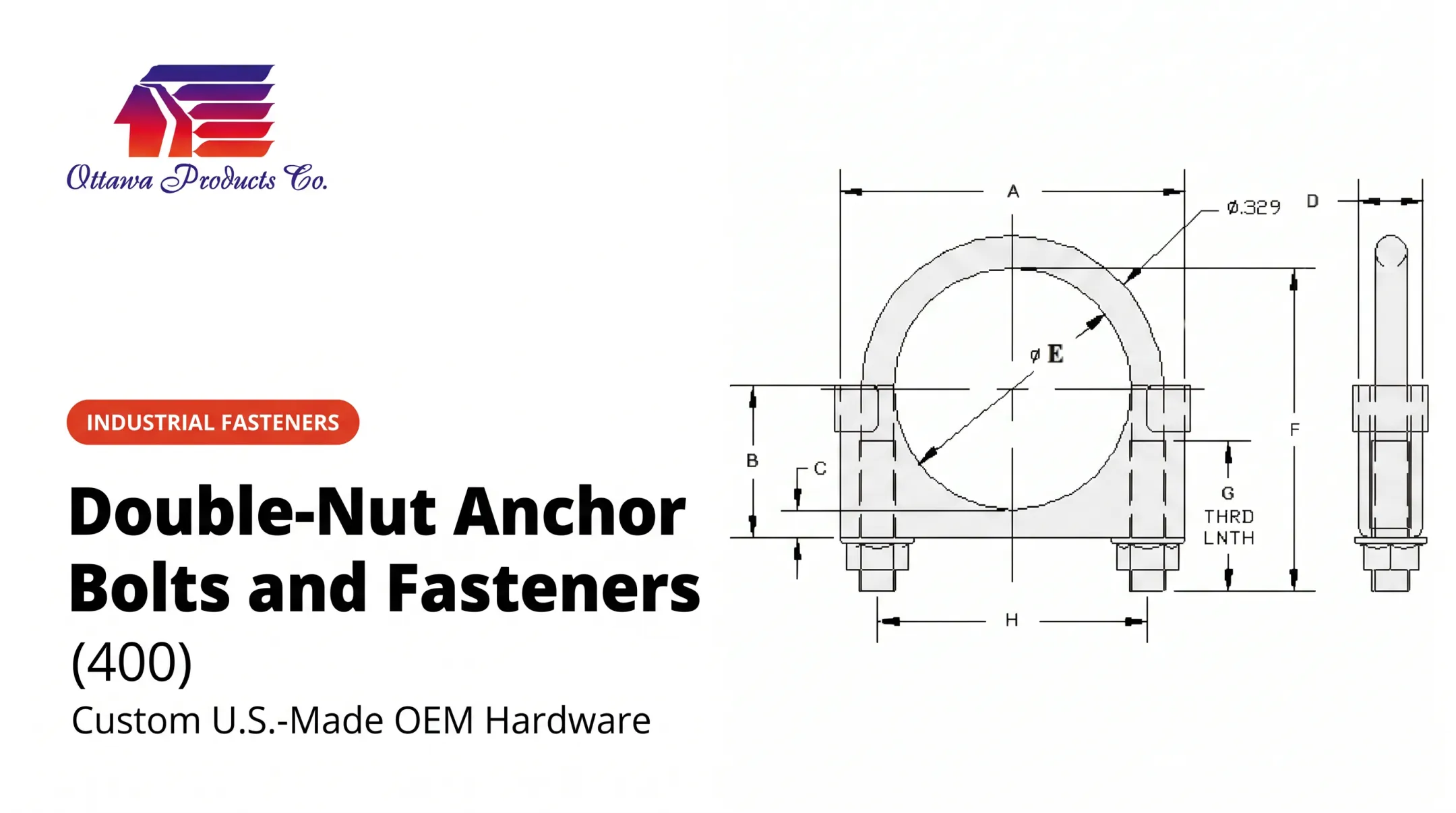
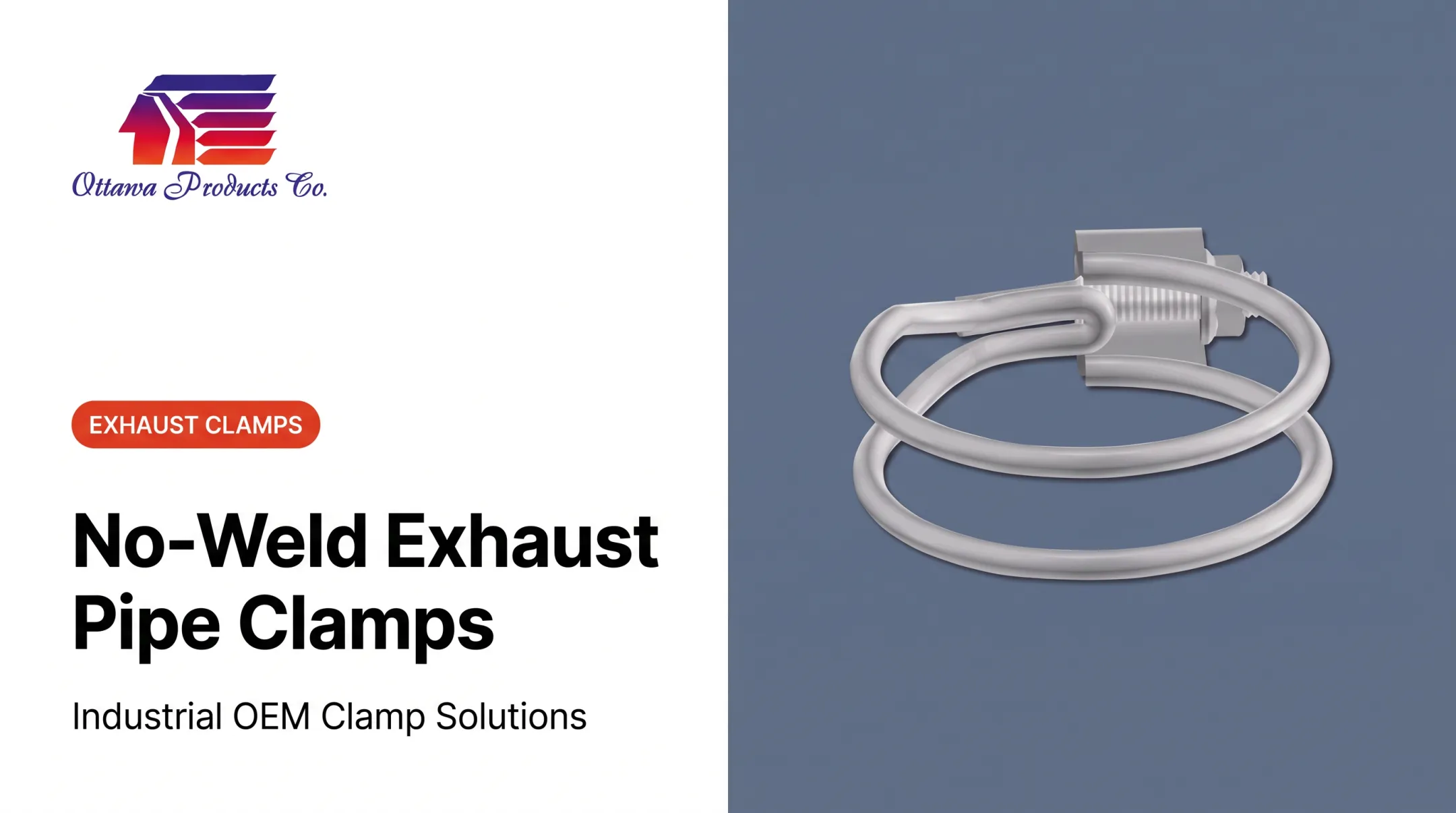
Ottawa Products' FBSAMTG-Series shows the pattern: a circular band, a threaded tightening bolt, and a rectangular mounting plate with two elongated holes. An LD-Series clamp is built differently, with a U-bolt, saddle, and two serrated flange nuts.

Benefits of a correctly sized pipe clamp
- Stable positioning and controlled movement
- Less vibration and noise
- Protection for the pipe surface
- More consistent assembly and easier maintenance
- Lower risk of early replacement or downtime
These are design benefits, not guarantees. Correct diameter alone does not eliminate leaks or loosening.
What to Consider When Choosing the Right Pipe Clamp Size
Dimensional fit has to line up with the clamp's job, operating conditions, and installation method. The factors below affect installation time, rework, failure rate, and uptime.
Measure the actual outside diameter
Measure at the spot where the clamp will sit, including any coating, sleeve, or insulation it must go around. JEGS' exhaust guide suggests external calipers, or measuring circumference and dividing by 3.14. Measure at several angles, since tubing isn't always perfectly round.
Nominal size is not OD. Per ASME B36.10M, steel pipe NPS 12 and smaller has an OD larger than its nominal number. Wheatland's data shows NPS 4 steel pipe measures 4.500 in OD in both Schedule 40 and 80.
Clamping over insulation raises the required clamp diameter, according to Walraven. Wrong fit here means rework and slower installs.

Match the clamp type to its function
Diameter alone can give you the wrong load path or retention method.
- Exhaust joint clamps: seal and retain. Walker separates saddle (ID-OD slip fit), band coupler (OD-OD butt), and lap-joint (ID-OD overlap) designs.
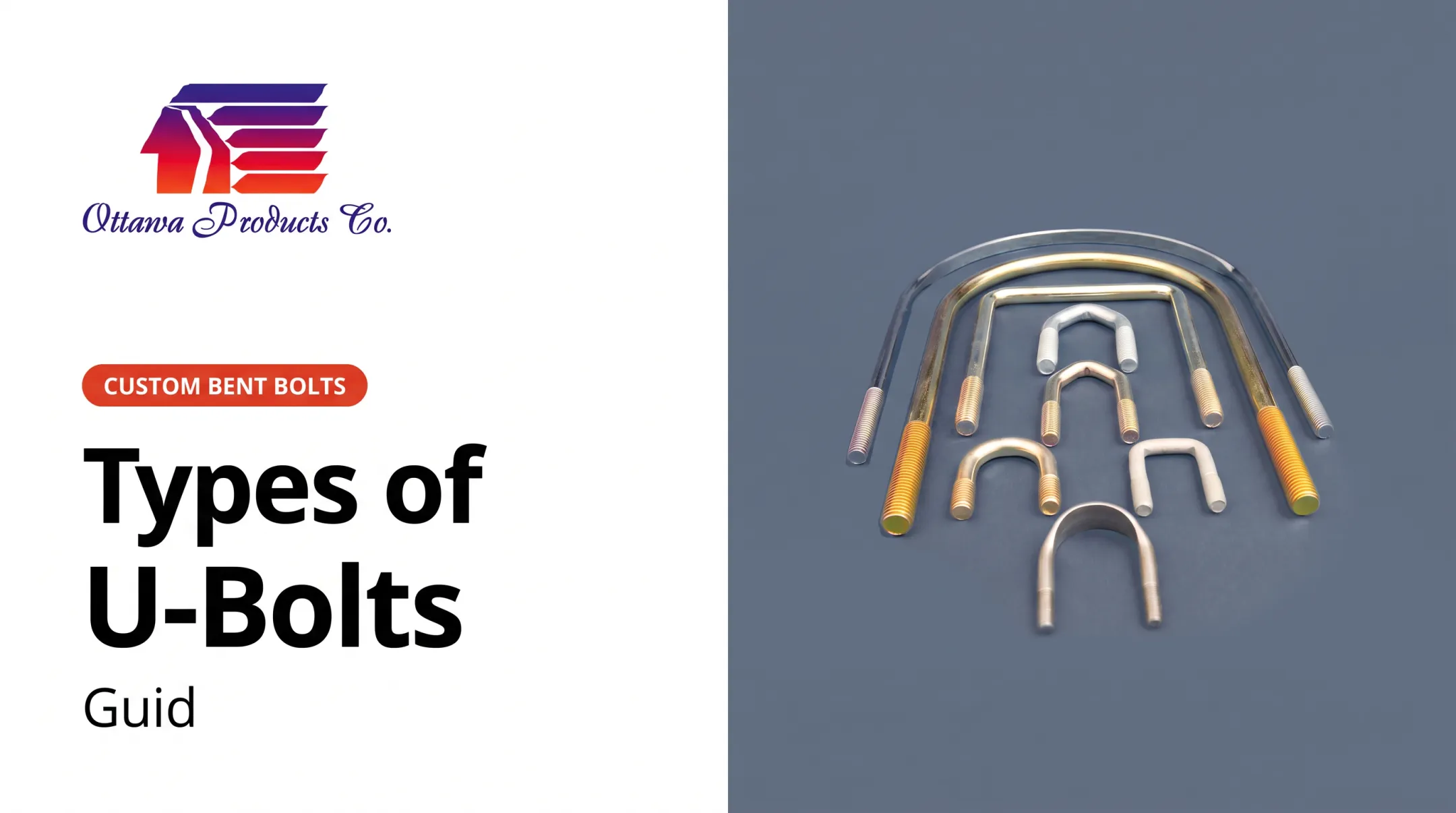
- Guillotine and U-bolt clamps: a U-shaped bail with a curved saddle secures round pipe or tubing.
- Hangers and supports: carry piping weight.
- Isolating clamps: reduce noise and vibration.
- Woodworking pipe clamps: a bar-clamp tool, unrelated to pipe fastening.
Note that "saddle" means different things in exhaust hardware and insulated pipe supports.
Account for load, vibration, and movement
Load is its own rating. Eaton's catalog, for instance, lists a 4-inch riser clamp with an 810-lb design load and a 650°F maximum, rated separately from pipe size.
Movement matters too. Fixed points direct thermal expansion, and guides allow sliding, but guides shouldn't carry pipe weight. Cummins requires that exhaust piping be supported by isolated, noncombustible hangers rather than the engine outlet. Ignore this and expect loosening, noise, and maintenance calls.
Evaluate temperature and environmental exposure
Heat, moisture, road salt, chemicals, and dirt all attack clamps and fasteners. Donaldson identifies aluminized steel as preferred for traditional diesel exhaust, and 304 stainless for corrosion resistance and high-temperature strength.
Track service life, corrosion-related replacements, and inspection frequency. Gas temperature figures are not clamp ratings, so ask the manufacturer for the clamp's own limits.
Check material and surface compatibility
Clamp material, coating, liner, and fasteners must suit the pipe and its surroundings. Risks include abrasion, galvanic corrosion, heat damage, and deformation.
SSINA notes that dissimilar metals in moist conditions invite galvanic attack. STAUFF rates its rail-clamp cushions from -58°F to +257°F and as compatible with most, not all, oils and chemicals. Use manufacturer compatibility guidance rather than universal rules.
Confirm specifications before ordering or installing
Review the dimensional drawing, supported diameter range, mounting configuration, load data, and tightening instructions. Donaldson advises using an OE replacement where available. Torque is product-specific: its Stepped SealClamp calls for about 50 ft-lb and warns against exceeding 70 ft-lb.
A complete review cuts wrong-part orders, production rejections, and field repairs.
How Ottawa Products Co. Can Help
Ottawa Products Co. is a U.S.-based OEM manufacturer serving heavy-duty truck, trailer, agricultural, automotive, off-road, and industrial markets. Its quoting and engineering teams can help when a replacement or unusual pipe configuration isn't fully identified.
Product and application support
The line includes exhaust clamps, hangers, bent bolts, and related parts. Series range from DEO double-edge clamps (1.50" to 6.00") to G-Series guillotine clamps (2 to 6 inches) and MH/UTH hangers. Vehicle builders, equipment manufacturers, exhaust fabricators, distributors, and repair operations all use them. Confirm any specific fit against the product drawing.
Engineering and quoting assistance
Have this ready when you contact the quoting or engineering teams:
- Measured outside diameter
- Pipe or tube material
- Operating temperature
- Vibration or movement requirements
- Mounting method
- Environment
- Equipment or vehicle application
Quality-focused U.S. manufacturing
Products are made in Curtice, Ohio, under an ISO 9001:2015-certified quality management system. That supports consistency and repeat OEM orders. It does not prove every clamp suits every application, so still verify specifications.

Conclusion
Sizing starts with the pipe's actual dimensions and ends with confirming function, materials, operating conditions, movement, and specifications.
Choose the clamp that delivers the required support or retention without damaging the pipe or blocking necessary movement, not simply the largest, tightest, or most familiar option.
Review clamp performance periodically, especially after vibration, temperature cycling, equipment changes, or repeated maintenance.
Frequently Asked Questions
How do you measure pipe clamp size?
Measure the actual outside diameter at the clamp location, including any coating, insulation, or sleeve. Compare it with the manufacturer's supported range.
What are the common characteristics of pipe clamps?
Most have a body or band, a fastener or adjustment mechanism, and a mounting feature, sometimes with a liner or isolator. Details vary by support, exhaust, saddle, vibration-control, and joining designs.
What types of pipe clamps are available?
Common types include fixed-support, hanger, saddle, exhaust, and lined or vibration-isolating clamps, plus woodworking pipe-clamp mechanisms. Each serves a different purpose.
Should I measure the pipe's inside diameter or outside diameter?
Clamps generally fit around the outside, so start with OD. Verify whether the manufacturer specifies nominal size, actual OD, or another dimension.
Can I use the same pipe clamp for every application?
No. Load, vibration, temperature, movement, materials, mounting, and environment can each call for a different design or material.
What information should I provide when ordering a pipe clamp?
Give the measured OD, pipe material, clamp function, temperature, vibration or movement, mounting details, environment, quantity, and equipment or OEM application.