
The term causes real confusion. Buyers mix up OEM, aftermarket, retail, and ODM, then discover the difference only after a bad fit or a missing certification.
This guide defines OEM hardware in an industrial context, compares it with the alternatives, shows where it is used, and lays out how to choose a supplier.
Key Takeaways
- OEM hardware is built for integration into another company's finished product.
- OEM does not automatically mean better. Verified fit, material, and documentation decide.
- Confirm drawings, materials, finishes, quality records, lead times, and warranty terms before ordering.
- Judge suppliers on total cost, not unit price alone.
What Are OEM Hardware Parts?
OEM stands for original equipment manufacturer. Merriam-Webster describes it as an entity that produces complex equipment from components usually bought from other manufacturers. OEM hardware parts are those components: made for use inside someone else's vehicle, machine, or system.
Who Plays What Role
Three parties usually appear in the chain:
- The component manufacturer makes the part.
- The integrator installs it into an assembly.
- The brand sells the finished product.
One company can fill more than one role. Supplier tiers add detail: Tier 1 suppliers deliver finished assemblies to the vehicle builder, while Tier 2 suppliers feed parts and materials to Tier 1.
Typical Examples
- Exhaust clamps and band clamps
- Exhaust hangers and mounting brackets
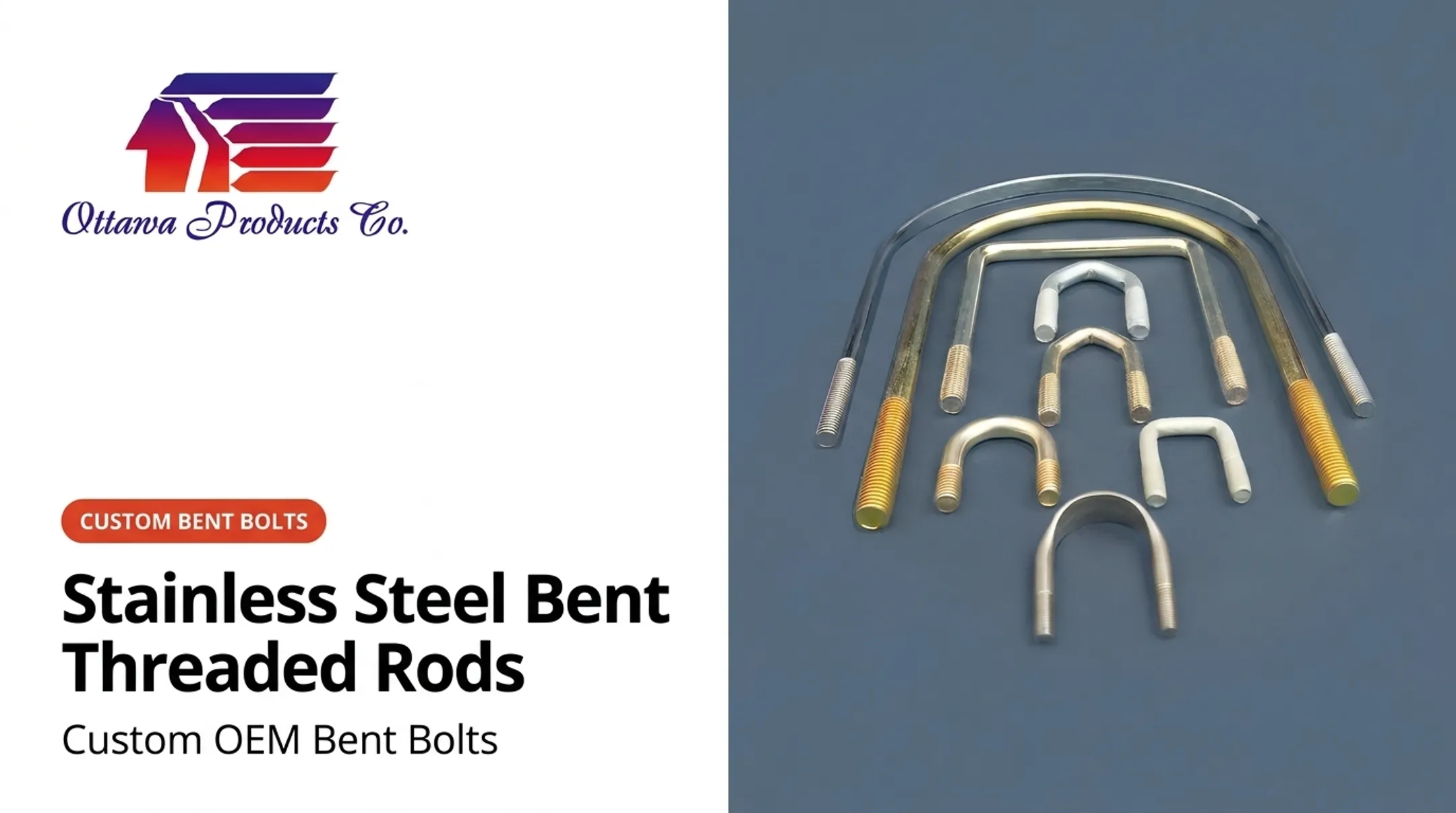
- U-bolts and custom bent bolts
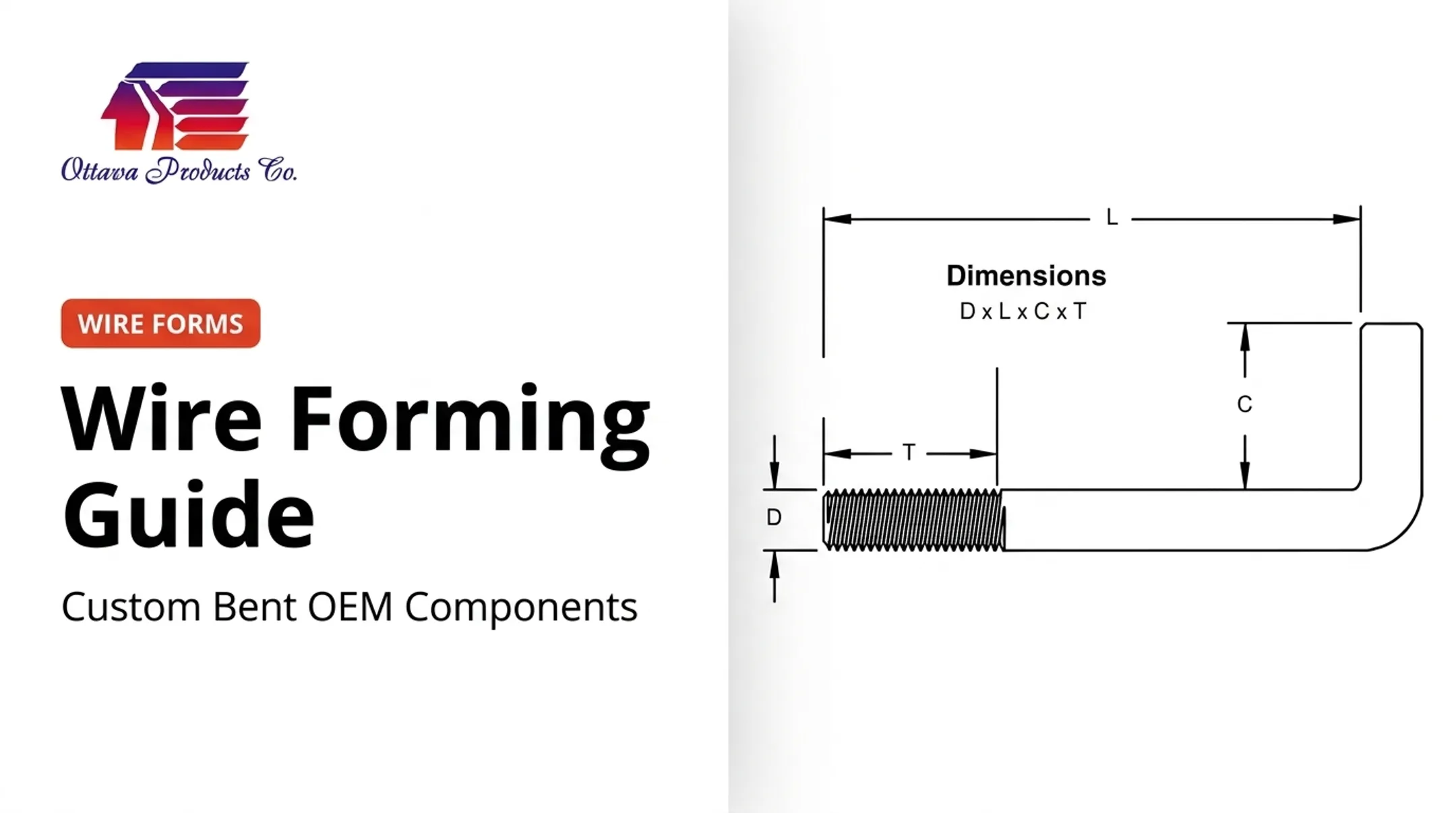
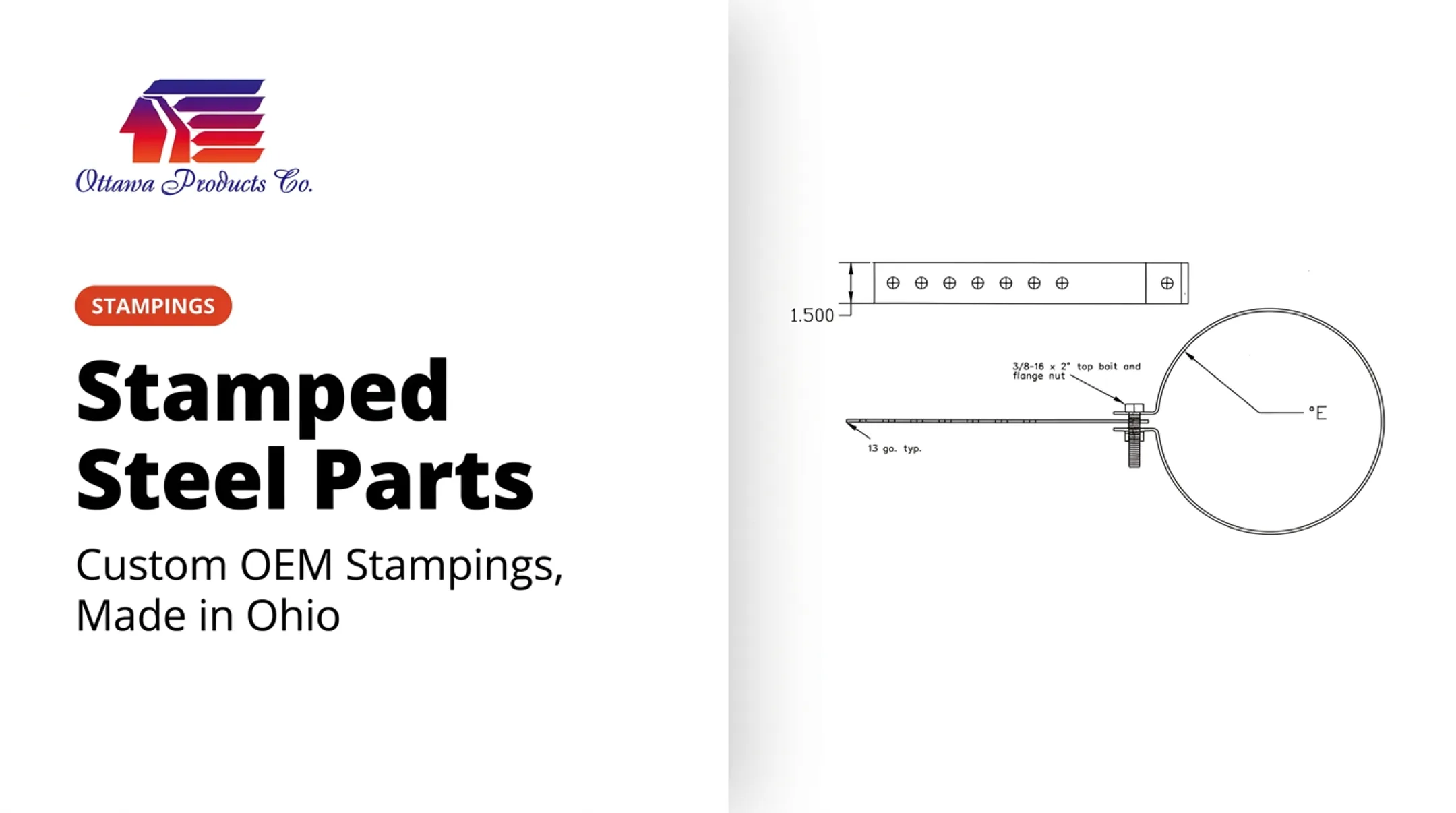
- Wire forms, stampings, and other formed metal parts
Ottawa Products Co. makes this kind of hardware, such as double-edge U-bolt clamps in sizes from 1 1/8" through 8" and custom bent bolts in thread sizes from 1/4" through 1/2".
Who Owns the Design
An OEM part can follow the supplier's established design, a customer's drawing, or a joint engineering effort. The exact arrangement depends on the commercial and technical agreement, so settle it early.
Industrial vs. Consumer "OEM"
Consumer "OEM" or "tray" products, such as bulk processors, often ship with minimal packaging, manuals, or retail support. Industrial buyers care about different things: specification compliance, repeatability, integration, and continuity of supply.

OEM Hardware vs. Aftermarket, Retail, ODM, and In-House Parts
OEM vs. Aftermarket
MEMA separates original-equipment components supplied to new-vehicle builders from aftermarket parts used to maintain vehicles in service. Suppliers can serve both markets.
Aftermarket parts can work well when fit, materials, performance, and quality are verified. Clamp styles suit specific pipe connections, so never assume interchangeability.
OEM vs. Retail
The difference is usually about channel, not metal:
- Packaging and labeling
- Order quantities
- Documentation and certifications
- Support and branding
A retail clamp and an OEM clamp may look similar. The OEM version typically comes with print-controlled specs and records.
What Is the Difference Between OEM and ODM?
An ODM designs and manufactures a product that another business brands or sells. OEM terminology emphasizes the component or the production relationship. Responsibilities overlap depending on who owns the design, controls the specification, and applies the brand.
A simple example: a truck builder buys exhaust clamps from an OEM supplier to its own print. An ODM, by contrast, might design and build an entire finished product that a retailer sells under its own name.
Outsourcing vs. In-House Production
Outsourcing can give access to specialized equipment, engineering knowledge, and capacity without internal investment. Trade-offs include less supply-chain control and variable quality standards. Don't assume savings; no general percentage holds across categories.
A Decision Framework
Weigh these factors, not just price:
- Fit and performance requirements
- Quality controls and documentation
- Lifecycle support
- Delivery reliability
- Total cost: CIPS counts acquisition, inventory, scrap, warranty, and installation in end-to-end cost
Where OEM Hardware Parts Are Used
Trucks, Trailers, and Exhaust Systems
Heavy-duty trucks, trailers, and vocational vehicles rely on clamps, hangers, brackets, and bent fasteners to secure exhaust components under constant vibration and heat. Ottawa Products' MH and UTH-Series U-bolt-style hangers and its Kenworth/Peterbilt-compatible chrome mounting brackets serve this segment.
Agricultural, Construction, and Off-Road Equipment
These machines need parts that integrate with specified frames, exhaust systems, and mounting points. Custom bent bolts and heavy-duty hangers fit these assemblies, often with custom coatings.
AEM reports 195,857 tractors sold in the US in 2025. That figure shows equipment demand, not hardware volume.

Fabricators, Distributors, and Fleet Service
- Exhaust fabricators and muffler manufacturers
- Industrial equipment builders
- MRO and fastener distributors
- Contract metal fabricators that outsource bending
- Fleet service departments and heavy-truck repair shops
How to Choose OEM Hardware Parts for an Industrial Application
Start With the Application
Define the finished product and its operating conditions:
- Loads and vibration
- Temperature range
- Corrosion exposure
- Installation method
- Production or replacement use
Gather Technical Information
Suppliers quote faster and more accurately when you provide:
- Part numbers, drawings, CAD files, or samples
- Revision levels and dimensions
- Thread details and material grade
- Coating or finish
- Bend geometry and interface requirements
Standards help define these. Examples include SAE J429 for inch-series bolts and U-bolts, ASME B1.1 for threads, and ASTM B633 for zinc plating.
Assess Supplier Quality
Look for ISO 9001:2015 certification, then ask what it means in practice. The standard calls for controlled documents, release records, nonconformance records, and unique identification where traceability is required.
Also ask:
- Is there a documented inspection process?
- How are revisions controlled?
- Can the supplier provide PPAP documentation?
Check Commercial and Fulfillment Factors
- Minimum order quantities and tooling needs
- Capacity and lead-time expectations
- Packaging and labeling
- Shipping and inventory planning
- Communication during quoting and production
Ask for written answers. No universal MOQ or lead-time norm exists for these categories.
A U.S. Manufacturing Resource
Ottawa Products Co. manufactures OEM exhaust clamps, hangers, bent bolts, wire forms, and stampings at its Curtice, Ohio facility. Its quality management system is certified to ISO 9001:2015, and certifications and PPAPs are available. There is no minimum order requirement.

For application-specific needs, contact the quoting team at quotes@ottawaproducts.com or engineering at engineering@ottawaproducts.com.
Frequently Asked Questions
What does OEM hardware mean?
OEM hardware is a component made for integration into another company's product or system. An exhaust clamp or bent bolt built to a truck builder's print is a typical industrial example.
What is the difference between OEM and ODM?
OEM usually emphasizes the component or manufacturing relationship. ODM commonly includes design and manufacturing for another company's branded product. Responsibilities can overlap.
What is an OEM partnership?
An OEM partnership is an agreement in which a component maker and a product builder coordinate specifications, production, quality requirements, and delivery. Engineering or design support is sometimes included.
Are OEM parts better than aftermarket parts?
OEM parts may match original specifications more closely. The right choice still depends on verified fit, materials, quality, warranty, availability, and application needs.
What should you check before ordering OEM hardware parts?
Confirm drawings or part numbers, dimensions, material, finish, tolerances, and environmental requirements. Then check quality documentation, order quantities, lead times, packaging, and support terms.
Do OEM hardware parts come with a warranty?
Coverage varies by supplier, product, and contract. Confirm the written warranty, inspection process, return policy, and support responsibilities before ordering.